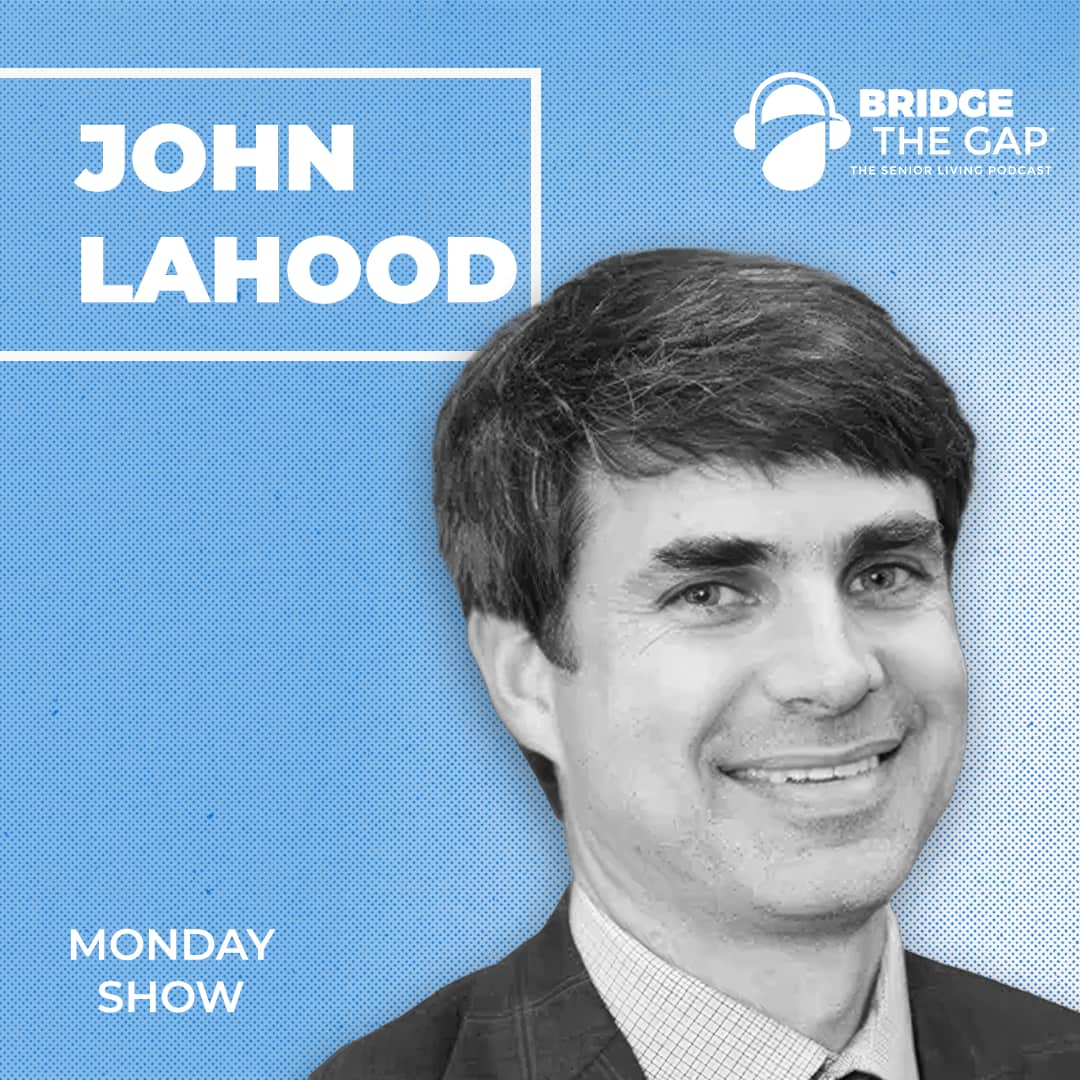
How has being raised in a senior living community shaped John LaHood's approach to helping our industry? Listen to find out.
They come for the paycheck, but they stay for the mission.
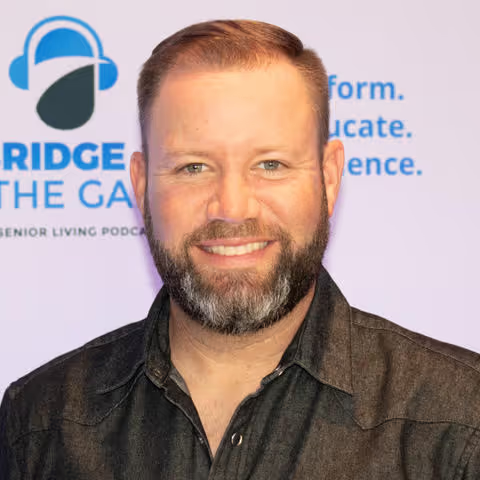
Lucas McCurdy is the founder of The Bridge Group Construction based in Dallas, Texas. Widely known as “The Senior Living Fan”.
Learn More ▶
We're trying to design buildings so they don't feel separate from the rest of the world.
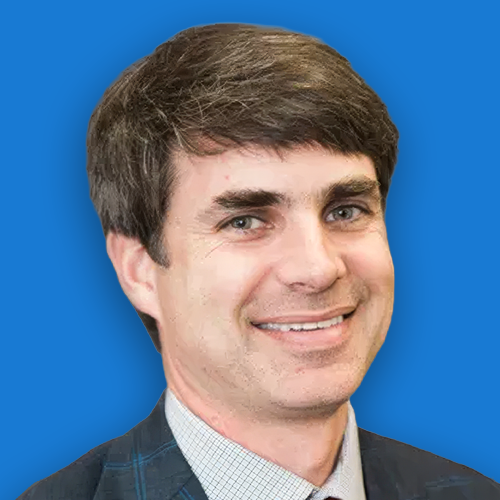
Growing up on a family farm in rural Georgia, John LaHood never imagined he'd one day help shape both senior living communities and state policy. As CEO of Fellowship Family and a Georgia State Representative, John brings a unique perspective on what it takes to build exceptional communities while advocating for the future of senior housing.
John shares the remarkable story of how his grandparents founded their first community, how three generations have expanded the business into one of the Southeast's growing operators, and why new development remains critical despite today's challenging market conditions. The conversation explores innovative community design, workforce development, legislative advocacy, and the importance of creating environments where older adults remain connected to the broader community.
Key Ideas:
The origins of Fellowship Family and a three-generation legacy
Growing from one community to a multi-state operator
Why new development still matters despite acquisition opportunities
Designing communities that feel connected—not isolated
Integrating public amenities into senior living campuses
The value of legislative advocacy for operators
How policy decisions impact senior living operations
Recruiting and retaining exceptional team members
Career growth opportunities within senior living
The demographic opportunities ahead for the industry
Meet the Hosts:
Connect with Our Guest
Learn More about The Fellowship Family
https://thefellowshipfamily.com/
Produced by Grit and Gravel Marketing.
Become a sponsor of Bridge the Gap.







01:06 - 04:52
Unknown
Bridge the Gap three two. Welcome to Bridge the Gap podcast, the senior Living podcast with Cameron and Lucas today. Cameron's are filling. Josh has got a family obligation and he is sitting in and we're talking to operators here at the symposium in Music City Nashville. And we got a great guest on today, John LaHood, the CEO at Fellowship Family in Georgia. Welcome to the show.
John LaHood
Good to be here, Lucas.
Lucas McCurdy
It's so great to meet you. And you have a great story, a great family story, entrepreneurial story. The American dream of caring for older adults. Take us back to the beginning on how this ever started.
John LaHood
Yeah. So I grew up on a family farm in rural, rural South Georgia, and my grandparents had a second. Or maybe it was her third career where they decided they wanted to do something to impact, you know, people they saw, you know, what life was like and the typical skilled nursing home at the time and wanted to do something different. And so they built from the ground up. My grandfather was a general contractor. My grandmother was a nurse.
And so he built a building 142 beds and just just started moving people in. It was a big building in rural South Georgia and on the highway frontage of a farm. And a couple years, 2 or 3 years into it. Well, immediately the skilled nursing world took notice and reported him to regulators. And that's kind of what spurred the regulations for what was personal care homes in Georgia and those I think the first regs came out in 1982.
Lucas McCurdy
Amazing, amazing. She's like, honey. Can you build me a building? And he's like, oh, sure can.
John LaHood
But they were, you know, both World War II veterans and they knew hard work, you know, was what they knew how to do. And they just, you know, were the first ones every day, the last ones there to lead, to leave.
I think it was my aunt and uncle who who lived in one of the vacant units. You know, when they first got married, my parents, my dad, you know, worked there every day. He went to nursing school. My aunt ran the kitchen. It was a big family affair. And I grew up, you know, painting door jams, fixing toilets, pruning hedges in the yard. And the day I turned 16, my dad put me in the transport band, you know, taking people to the doctor. My wife and I been married 30 years next month, and we used to some of our dates were transporting people, you know, to and from doctor appointments.
Lucas McCurdy
That's really unique.
Cameron Bell
Yeah. I would say I wonder how many other people in this industry can make that claim. That's pretty cool.
Lucas McCurdy
So there's probably there's nothing you haven't done.
John LaHood
No. I started, you know, just doing the most menial tasks and work. And, I got to know an older generation early in life, and I just really loved the wisdom that they had to share. And I love the life stories they had. And I started seeing older people.
What I, I didn't know it was, I don't know any different. I saw older people different than other people my age. When people would come spend the night at my house and, you know, I would just walk in the kitchen barefooted and to get something to eat in the kitchen. Ladies just knew who I was and knew my favorite foods, and they would just help me get get something to eat.
And my friends were just like, this is this is strange. And they'd see the the older adults, you know, they weren't near as comfortable. And that's when I started realizing, you know, this is unique. You know, most people don't experience life like this, but I thought it was a tremendous, just blessing that I got to be around an older generation at such a young age.
04:52 - 08:14
Lucas McCurdy
You had 140 grandparents.
John LaHood
Exactly. Yep.
Lucas McCurdy
What's not to love about that?
Cameron Bell
Yeah, that's really, really cool. So your grandparents started this, and then your dad took over the organization and then talk to us a little bit about, like, what he did once he took over the reins and then lead us to once John takes over, what does that look like?
John LaHood
Yeah. So my dad and his brother, my uncle ran the business, you know, for many years. And in the early 2000, my uncle, you know, exited, but they were still a bunch of family owners. You know, my grandparents just loved to share their their rewards with their children, grandchildren. And so there was a lot of family ownership, but it had been reduced down to a little a little bit of family involvement down to my dad and I.
And so my dad and I bought the rest of our family out in 2006. Then around that time, my brother was was finishing college, and so he joined in and I think it was 2015. My brother and I bought our dad out and and that's when we kind of, after we bought the family out, most of the family out, you know, we because the family, most of them were interested in taking on more risk, which would have required debt and just risk to update the building that was, you know, 30 something years old at the time.
And so my dad and I did that, and we modernized parts of the building. We expanded, and a few years later had an appraisal done whenever it was time for a refinance. And I realized, wow, we created a lot of value here. I was really blown away at the value that we created. I didn't really have a I mean, I was I was doing this, you know, to create income.
Well, that kind of thing. But it was primarily just because I was stewarding a family legacy and just doing what I knew to do and taking care of people. And when we realized the value we created, it opened up a new world of opportunity. And that's what my dad decided. It was time for him to, you know, retire or slow down.
And so we took his risk off the table and started expanding, expanded our footprint into South Georgia at first and then to Middle Georgia, then in the Florida and and with no help into South Carolina.
Lucas McCurdy
Amazing. So how many communities today?
John LaHood
Today we have nine under operation. Ten, if you count one that we repurposed to student housing. And then we have two under development right now coming out of the ground.
Lucas McCurdy
Amazing, amazing. So in our talk today, you were there to listen to Damon. There's a huge delta of units that are needed over the coming years. And sounds like you're a part of the, you know, initiative to get stuff out of the ground. What's that been like?
Difficult to get new development started, especially when acquisitions are you can get into acquisition a lot less per unit than you can a new development. But but we think new developments make sense in the right markets. And so we like acquisitions to you and acquisition. You're kind of going in to fix something. Usually with the new development you're building something from scratch, something that you have the vision for that.
08:14 - 13:26
John LaHood
Yeah, will work from day one. We're not acquisition. You're usually fixing someone else's problem. You kind of stuck with the floor plans to an extent. So on your new developments, what how are you kind of changing the design around it? Are you looking at apartment sizes, apartment mixes, common spaces? How are you dealing with that? Yeah. So in the new product we're building, we're trying to stick with about two thirds independent living in one third, assisted living in memory care,
all acuity. All three of those.
John LaHood
Yes.
Lucas McCurdy
Okay.
John LaHood
You know, pretty good unit count. You know, hundred. You know, one that we just
broke ground on is 205 units. That's big. It is. It's our biggest one ever. And we're, we're doing some cool things like putting in some public facing services, you know, putting trying to position the salon where the adult daughters may want to come hang out with their moms, their nails done, their hair done, too, or, you know, coffee shop that's, you know, welcomes the public in, just like, you know, the residents who live there and just trying to design the new buildings to where they, they don't feel, separate from the rest of
the world where they, you know, just felt like a part of society. And older adults happen to live here. That's great. I love that mission. That's really cool. If the dignity piece, you know, that we're trying to solve for, you know, where people don't feel like they're, you know, being pulled out of their homes and isolated, you know, in a, in a senior living community. You know, we're we're battling a stereotype a lot of times in this industry. And we we're trying to solve for that.
Cameron Bell
On the original community that you guys had. And I think this is correct. So correct me if I'm wrong. Do you guys incorporate some of the animals on the farm into some of your memory care programing in that community? Maybe unpack that for us a little bit.
John LaHood
We do. So we live the the community on the farm is Fellowship Brookside, and it's adjacent to about 700 acres of family property around it. And on a lot of that property, my dad and I raised cattle, and so we had the cattle in a in a program, and we put the beef to, to, to good use on our menus.
And, you know, people like it. It's, it's pasture raised. So it's, you know, good quality beef tastes great and it's, it's right there on the farm. And so and a lot of our residents being in South Georgia, you know, grew up on farms or worked on farms and just enjoyed being there to to watch the whole operation. That's great.
Lucas McCurdy
That's great. I mean, just like you said, you know, they're they're used to these elements of being a part of their life and it can still be a part of their life. Sounds like that's a big part of your mission.
John LaHood
It is. Yeah. But it's you know, the cattle operation is just just something extra we do to to try to make it. Yeah. A part of just the whole cycle of life. And, you know, some of the, some of the cuts, premium cuts like steaks, you know, steaks aren't normally on the menu in a senior living community. And so those we, we use, you know, for public relations purposes and we have people all the time, you know, asking, you know, to purchase those or restaurants that want to feature those on their menus. And so it's kind of a cool thing to get to do.
Lucas McCurdy
That's really interesting. So Cameron was telling me, you're also involved in state government there in Georgia. Tell us more.
John LaHood
Earlier in my career, I served on the board of the Assisted Living Association of Georgia, and that kind of got me exposed to how public policy is is created and implemented. And I realized how there wasn't any expertise or not much at all about senior living in the state legislature. A few years went by and just continuing to be active in the association. I just realized the importance of advocacy. And when when an open seat became available in the district where I lived, grew up my entire life, and several generations of my family have been there, I was encouraged to run for that seat, and I did.
And so I've been in the Georgia State House of Representatives since 2018. And I most of my colleagues looked to me for guidance when it comes to, you know, any kind of policy on senior living, because there's just not that many people who understand it enough. You do for sure. And the scary part is, and this goes for any state, when when that expertise does not exist, politicians tend to just, you know, make it up as they go, come up with something or whoever happens to show up at the committee meeting that day and give testimony is who they listen to.
And a lot of times they have friends, you know, back home in their districts where they will make a phone call and, and say, hey, tell me about this industry. And, and you know, what's the right thing to do here? But I'm glad I have a front row seat and get to be a mouthpiece for the industry and that in that capacity.
Cameron Bell
Would your recommendation be just for the listeners out here if if they're involved in certain states operationally?
13:26 - 17:26
Cameron Bell
And, you know, Josh, I think does this to a degree here in Tennessee, it almost behooves operators to consider something like you or Josh have done to have that voice and help advocate for a better outcome for the regulations that oversee the buildings already running in those particular state.
John LaHood
Absolutely. Get involved in your state association, number one. I mean, that's the easiest thing you can do. Just be a member of the state association, because most of them have consultants that are lobbying on behalf of the industry. But even the lobbyists sometimes, you know, we're just kind of floating around and waiting to be fed information on how how they can advocate better for the industry. But for operators, the number one thing I would recommend, Cameron is they need to know the the senator, state senator and state representative who represents the yeah, they're their community and they need to be reminded those those state legislators that you know, however many residents live in that building their voters and and they have a voice and they need to be, you know, represented.
Lucas McCurdy
Can you think of an example of where your level of background and expertise came in on a particular topic, subject, initiative, legislation that you knew was just a really bad decision, and you were able to steer it?
John LaHood
A few years ago in Georgia, the media was was just on a witch hunt. You know, our industry is easy to beat up on. Yeah. Earlier in my career, when I would go places and tell people what I did for a living. You know, their immediate reaction was, oh, that's that's so honorable that you, you know, take care of older adults today when I tell people, you know, what I do, the media, in a lot of ways, has painted the industry in a negative light.
Like, oh, that's where I heard about someone who, you know, had a bad experience, or I would never put my family in a place like that where we see it different. Sure. We see it as doing, you know, their adult children doing their parents a favor when they let us be a part of the, the journey. And so a few years ago, the media in Georgia, you know, did a campaign exposing some, some. Yeah, incidents where there were negative outcomes in the senior living space. And so it it caused some state legislators to to kind of want to be the hero there and tighten up on regulations, provide more accountability, increased fines, all these things. Well, one of the the measures that that were was proposed was to for staffing ratios to go from like 1 to 15 during waking hours, down to 1 to 4 or 1 to 6.
And economics there just don't work. And so we no good operators usually staff above the state requirement just to achieve the right quality. But we don't need state regulators, government officials who have no expertise in this field, you know, telling us how to run our business. I mean, we're we're fine with them putting accountability in place, but they don't need to get into the nits of running the business. Sure. And so I was able to speak into that and, and make and help to make sure that that the ratios landed in a safe place so that operators can still operate efficiently,
Lucas McCurdy
stay in business. Yeah. Same business that have a real problem on their hands if they all went away. So, you know, we talk about demographics. We've talked about it a number of times today, even on the fireside chat. You know, the the demographics look really, really good. How are you able to attract great talent to come in to work at your at your organization?
John LaHood
You know, I think our story is attractive to people, our history in this business. And we're just so fortunate to have good people that work with us.
17:26 -
John LaHood
And, I would say that's our superpower, really is is the people that we have on the team. And, you know, retention on the front line is is the big challenge we all face. But having a good leadership team that sticks together that, that, you know, respect each other and keeps the main thing, the main thing, you know, stays mission focused, focuses on the long game, not just getting through another day is what helps us. You know, I think that's a difference that that, you know, makes us stand out is our people
Lucas McCurdy
On these larger communities that you have are some of them kind of in tertiary markets, not in like Atlanta or, you know, Jacksonville or Orlando or Tampa. Sometimes it can be a challenge to get workforce in, especially when you have a bigger building. You need more staffing, but there's just a low population. How have you run into that?
John LaHood
I think our staffing challenges are probably harder in the bigger markets, really okay, because there's more competition for those people and the workforce is having to drive in a lot of times from tertiary areas into the metro areas to, you know, because they can't afford to live in the metro. So they're driving in. But, it's a challenge everywhere. But but again, the paycheck is why people, you know, get the job or seek the job, but they stay usually for something bigger than that. And that's the the purpose behind it, the why and the mission and the impact that we make. And so we try to connect people to that quickly and remind them often the impact they're making and also give them a career path.
00;19;09;03 - 00;19;33;04
Unknown
You know, we've got a number of people in leadership positions. Our HR director started with us
as a CNA and I think nine years ago, and today she's our HR director with 500 employees.
Cameron Bell
That's amazing. We've talked a lot about career arcs within this industry. And like, you can start as a housekeeper or start as a caregiver and you can land in a completely different spot. So again, like talking about the narrative in our messaging, it's not just messaging to the families and prospective residents, it's how do we go and find these people to come in and work in this industry, because you have a great future and you can make a tremendous impact.
John LaHood
You can. I saw a stat recently. Well, that's probably a couple of years old now, but the number of working age, you know, people compared to the number of older adults who will need care is shrinking. You know, the candidate pool of workers is is smaller compared to what it used to be. And you add in, you know, the competition, you know, for the workforce and the ability for, for young workers to, to, to make, make a living doing things that are a lot easier than being a caregiver. And so the competition is fierce. And so we have to use every tool at a, at our disposal to, to recruit and retain.
Lucas McCurdy
Well, I that's a great line. They come for the paycheck and stay for the mission. That's a
great line. We're definitely going to highlight that. John, thank you so much for telling your story and being a part of a generational family that has really provided great quality care to older adults in Georgia.
John LaHood
I really appreciate it. Thank you for having me. And I'm a I'm a fan of your podcast and glad to finally get to be a part of it.
Lucas McCurdy
Yes. Well, we're glad you're here. And for our listeners, I know they're going to want to connect with you and your team. We'll put those links in the show notes, and our listeners can also go to btgvoice.com and download this content and so much more. John, Cameron, great day. Thank you so much for being here. And thanks for listening to another great episode of Bridge the Gap.


