.jpg)
Demand for senior living is growing, but are we ready? Catch Kevin Oakley as he shares his perspective on being prepared for the surge in demand.
We're not going to tell people what they want. We're going to try to give people what they want.
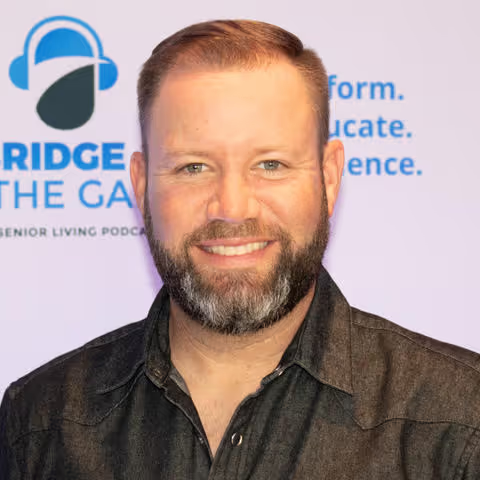
Lucas McCurdy is the founder of The Bridge Group Construction based in Dallas, Texas. Widely known as “The Senior Living Fan”.
Learn More ▶
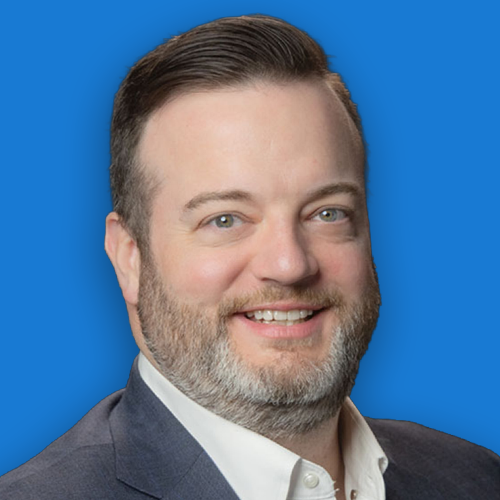
If we're doing our job and we're accomplishing our mission, the success comes with that.
As senior housing enters one of its most significant growth periods in decades, how should operators prepare for unprecedented demand? In this episode of Bridge the Gap, hosts Lucas and guest co-host Cameron speak with Kevin Oakley, CFO of Maxwell Group, about the demographic wave reshaping senior living, why occupancy continues to climb, and how operators must evolve to meet changing consumer expectations.
Kevin explains how Maxwell Group is balancing strategic growth with its people-first culture while investing in new development opportunities, including active adult communities and cottage-style neighborhoods. The conversation explores the challenges of rising construction costs, labor retention, regional market preferences, and why understanding what residents actually want is becoming the industry's competitive advantage.
Key Ideas
Meet the Hosts:
Lucas McCurdy: https://www.linkedin.com/in/lucasmccurdyseniorlivingfan/
Cameron Bell: https://www.linkedin.com/in/cameron-bell-322143147/
Connect with Our Guest
Kevin Oakley: https://www.linkedin.com/in/oakleykevin/
Produced by Grit and Gravel Marketing.
Become a sponsor of Bridge the Gap.







01:10 - 03:47
Lucas McCurdy
Bridge the gap three two. Welcome to Bridge the Gap Podcast, a senior living podcast with Cameron and Lucas. Cameron is sitting in as my co-host today at the NHI symposium here in Nashville with a great, fun place of the NHI operators and partners. The energy is high. We've had a lot of great conversations and a great guest. Today. We want to welcome Kevin Oakley, CFO of the Maxwell Group. Welcome to the show.
Kevin Oakley
Thank you. Appreciate you guys having me on.
Lucas McCurdy
Yeah, we're really excited to have you on. And I think let's start off by clearing up a common misconception. The Maxwell Group is also affiliated with senior living Communities based out of Charlotte. Help us understand what the difference is.
Kevin Oakley
The Maxwell Groups are management company, the management entity that kind of sits behind the scenes and does the business operations for our portfolio of communities, and then senior living communities is technically a large portion of our portfolio that's owned by NHI.
We just happen to kind of be more well known throughout the industry. On the senior living community side. Does cause some confusion at times. We use them relatively interchangeably, but for the most part, most people know as a senior living communities, but it's really Maxwell groups on our W-2, all that kind of stuff.
Lucas McCurdy
I gotcha. So it's a business strategy. It's different, different companies kind of under a similar umbrella. Similar people.
Kevin Oakley
Yeah, same. Same family that owns it all. Same same group doing all the work. So it's just kind of, you know, what shows up on our name tag when we're at a conference, that kind of stuff. Okay.
Lucas McCurdy
All right, all right. So now we have a CFO on. So we don't we don't get a lot of CFOs on the podcast. So we're going to talk some numbers. We're going to talk some stats.
Kevin Oakley
You know why we don't come on now.
Lucas McCurdy
He's like oh great. Here we go.
Kevin Oakley
This is gonna be easy.
Lucas McCurdy
You know well there's there's a lot of changes in the marketplace right now. You know, people have still or at least the industry, it's kind of limped out of the Covid era. But the demographic trend is is really overwhelming right now. Occupancy is on the rise. NIC MAP currently for 2026, is forecasting that the industry as a whole is going to be at 92% in 2026 and then effectively full in 20 2027. Obviously, there are some other subsets of the industry out of the 35,000 communities that are in America that may, you know, track a little bit differently. But I'd love to get your sense of what the what that data means to you and the rise in occupancy and what that what that means for your organization.
Kevin Oakley
Yeah. I mean, it's like you said, it's it's a busy time. It's an exciting time. I hate the term silver, but everyone's been kind of hinting at it, talking about it, waiting for it for a handful of years.
03:47 - 06:49
Kevin Oakley
And we really feel like it's, you know, finally here. So, you know, from our standpoint, last year and a half, two years, things have been going really well. You know we have a strong team in place. Sales are good occupancies up. Everything's like performing well. And it's really just kind of driving us to be, you know, still strategic, still relatively conservative and growth.
But we see it as a great time to continue growing because you've got a supply issue. You've got not a lot of new supply coming in. It's kind of lifting all the boats. So you know, we're excited. We're busy and continuing to to try to figure out ways to improve and be more efficient. But you know, with this wave and the demographics coming in, it does make things a little more easy on our end and fun, really.
Lucas McCurdy
With that supply shortage. What do you all have any goals or strategies looking in the future?
Kevin Oakley
You know, in addition to some growth recently in the last year working on some more things. Now acquisition wise we're also getting into some new development stuff. So you know, things like we can kind of get out of the dirt a little faster. So more of like an active adult independent living type product, you know, phasing it out, trying to kind of, you know, get that supply faster to the market rather than, you know, the majority of our portfolios, large campus, full communities and the timeline to deliver something like that is way too long.
And then still the cost of or cost of capital, cost of construction, very expensive, very risky endeavor. So we're kind of trying to figure out ways to tackle new markets, bring new types of products to the market. You know, try to give this this demographic what they're looking for. They don't want the same stuff that people want in 20, 25 years ago.
But also, you know, the speed and efficiency to move through it is really what we're focused on.
Cameron Bell
Yeah. And I think we also talked about this earlier with another podcast guest. You guys are also looking to expand the markets are currently in. Right. Like you're doing well. The reputation and the known commodity if you will, and the value proposition that you guys ultimately bring because their teams execute so well.
And that's been really great to see from where I sit from the start of the pandemic to now is, you know, there are largest customers, percentage of revenues. So we have a high vested interest in their success. But they are committed and they bring in the right people that have the right heart, which we talked about earlier to.
And so, just as Kevin said, the last couple years, it's just everything is going well. But that's really a signal to what they do day in, day out. So we're really proud of the Maxwell group and senior living communities at the corporate organizational level, but also within the markets and within their individual communities. So I do think, yes, they're entering into new markets, but I think they'll explore expanding where they're already are at.
06:49 - 09:43
Kevin Oakley
We have these large campuses. There is opportunity and some of them to expand. We're looking at ways to maybe try to add some land and do even more. You know, one of our key like value statements, mission statements, is that we have an obligation to be full. We want to be able to take care and provide the service and quality of service that we pride ourselves for.
First, many people as we possibly can. It gets harder as you continue to grow because you know you're never going to be full if you're continuing to grow. But you know, it just gives us more opportunities to do that, more opportunities, again, to bring different kinds of things to the market that maybe meet more what what people are looking for as opposed to just, you know, here's here's this cookie cutter box, you got to fit into it or you're not going to be here. And so I think we do a pretty good job of doing that too.
Cameron Bell
Yeah, I love that mission statement. You guys have actually a few, you know, the obligation to be full. You know, I think at first glance that might have some some people might take that as a negative connotation. But if you think about how they unpack that phrase, it's the reason we want to be fullest, because we believe SLC believes that they provide the utmost value to these families and to these residents.
And so if you believe that, then you want to be taking care of as many people as you can. The other phrase they say that I love is people first, always. And that applies to their members, which are their residents, but also to their team members. And so again, we talked about this earlier. If you think about it like we're in Nashville.
So when we say sweet tea like a sweet tea pitcher for poor that into a cup and then that pours into another cup, that's the flow of caretaking you want to see happen. But it has to start from the top. And Kevin and his team and the, the ownership group at Maxwell Group and they do that.
Kevin Oakley
So you're talking about culture here, and it begs the question how do you do that. How do you develop that culture of success?
Kevin Oakley
I was fortunate I've been with the group a little over two years. I've known the family for a long time, known the company for a long time from my previous career in banking. So I kind of was able to step into an already developed culture.
But I mean, really, I think it goes back to just the Thompson family, right? They're not just saying things to sound correct or be nice. They're they're doing it. They're living it through through Covid. They were, you know, self-funding a lot of things that maybe other companies wouldn't have done, maybe, you know, providing things, not taking stuff away from the team members just because the company was maybe hurting.
But but wanting to kind of continue to provide and, and set up this, you know, culture where, you know, it's people first always and that kind of thing. And it's not just words on a wall, it's not words on a, you know, your employee handbook when you start day one and you never hear it again. I mean, it's really something that we focus on every day.
09:43 - 12:12
Kevin Oakley
You know, the conversations I had with the family, you know, decisions ultimately come down to, you know, is it going to change how we do things or why we do things? And if it is, then we're not interested.
Lucas McCurdy
Labor is a huge topic in senior housing. It really always has been. And I think that finding and keeping talent really is synonymous with culture. You know, as occupancy rises and the supply-demand starts to be a little imbalanced. That's all well and good. But if you can't have good staff or even staff to to work at the building, having high occupancy doesn't matter.
Kevin Oakley
Yeah. I mean, it may not sound right. Probably shouldn't say this about myself, but at the end of the day, it doesn't matter what we do, where we are at, you know, management team headquarters. Yeah, we're doing stuff on the scenes, and we're managing things, and we're trying to set the tone for the culture. It's really the people on the ground; it's the boots on the ground. And the most important part of our company. And again, we always keep that in mind when we're looking and trying to do different things. And, you know, it's just a matter of making sure you're doing the right things, offering them the right things, whether it's benefits or a huge topic lately, just with changing costs across the, you know, every part of the market.
So trying to figure out ways that we can be helpful in, you know, all sorts of issues and problems and things with life. And so, you know, all that drives into retention. And then you start getting into, you know, your point of like keeping quality people and keeping people around. And you know, that that continuity, that longevity, it's proven from a member standpoint and the quality of care, the level of care, and how things operate.
The longer people are there and they're familiar, those relationships build. And it's just it's just a better product overall. So that's a very high key, maybe probably the most important metric that I think we tackle or try to tackle. And we've been fortunate. We've done a pretty good job of being able to retain, especially our top, top talent.
Cameron Bell
As you guys think about development and financing, since your CFO, we should probably unpack this a little bit. I mean, are there certain areas or certain product types that you guys are finding more success in? Is it really about like you mentioned, active adult? So does that satisfy the lender requirements as far as like the development timeline getting at least up.
12:12 - 15:04
Kevin Oakley
it's kind of like our take on it I guess. So maybe not as unique as we would like people to think. But you know, really it comes off of our Creek campuses. And when we look at the different unit product types that that succeed well and do well and stay full and have waitlists, it's that single family, you know, single story kind of cottage style product.
And so, you know that that tends to be where the market wants to be right now. You know, we had this shift years ago where nobody wanted studios anymore. So everybody was doing one bedrooms. And now it's like depending on what market you're in, especially the markets were in the southeast, you don't have a lot of people coming from big cities and apartment style living, so they're maybe not even though it's a nice 1 or 2 bedroom and they're beautiful units, they maybe aren't interested in that.
And so, okay, how can we provide what they're looking for more of that home feel? It takes land and that's a challenge. It's more expensive that kind of thing. But again like, you know, our goal or our mission is, is we're not going to tell people what they want. We're going to try to give people what they want.
Cameron Bell
So that's actually an interesting point. So I would agree that in the markets that you guys serve and generally the Southeast, that's I think a true statement. I was actually at a direct supply forum, I think it was 2019, and they surveyed thousands of senior citizens. And one of the questions they asked was, what do you want senior housing to look like?
And they showed on the screen the six different images, you know, and it varied. Like I'm talking like like an RV trailer park type thing up to like a high-rise in New York City type condo. And the largest voted image was a home with a garden. And so I was like, okay, that's interesting.
And I immediately thought of you guys because I was like, that's predominantly what you have on your campuses. And so now they're shifting to just developing only that with these weather life communities. And, you know, I think, I think it could be successful. Having said that, though, I think there are areas of the country and we've seen it in our portfolio where they actually do prefer the apartment style high rise.
So, you know, I said this earlier to Lucas, I think with the incoming generation of prospective residents and their families, we're going to see a wider array of preferences of building types, service types, amenities. So again, that's going to be a challenge for the industry to like fit those needs. But that also creates opportunity. As that widens, you're going to start seeing groups with like specific niches, if you will.
15:04 - 18:13
Kevin Oakly
What works in Greenville, South Carolina, isn't going to work in in new Jersey. In some cases, you're going to have a lot of similarities. You know, we do like we developed the Thompson family, developed the majority of our portfolio. And even then, like some of them look alike, but they all look very different. And they all fit kind of whether it's coastal or mountain or whatever, like even part of the same state.
We have two that are very close, kind of, you know, sister cities to each other, and they couldn't look any different from one another. But because it's even 20, 30 miles away from each other, there's just a different want and need a different lifestyle that that the, you know, potential members and members are looking for. And so, yeah, like you have to be a little more creative.
You have to really understand what that market wants, what that demographic wants. And and you know, you're never going to get it perfect. But we're trying and we spend a lot of time going through like, all right, what do we know from our data what works. What are we seeing other people doing that works really well? And then how can we kind of put our spin on to, to, you know, be unique and continue to provide the quality of service that we feel very proud that we're known for.
Lucas McCurdy
So our industry is very missional. Obviously there needs to be a profit margin as well. But I here in our industry, we say things like mission and margin. It's kind of a balance between two things where in other industries it's just like, you know, it could be just bottom line, bottom line. Like it's just, you know, it's kind of dog eat dog out there. Is that a part of y'all's culture and coming from other industries, does that impact you and how you think?
Kevin Oakley
The way we approach it and way we feel about it is if if we're doing our job and we're we're accomplishing our mission, the success comes with that, right? So we're not like I said before, our decisions are really based around the impact that it's going to have on on the members and our team members.
And we understand that, yeah, it is a business. At the end of the day, we're not we're not here to do it for free. But, you know, we if we're receiving high compensation for it from a member, whether, you know, the market rates, that kind of thing, they deserve a high level of quality of service and hospitality, and that's our focus.
And so it's like, all right, if we can deliver on that, the margin is going to be there. You know, we we never come at things with like a bottom line focus. We're not going to go into bunch of things we're going to lose money for. But you know, we will you know, we'll add things to our programs and we'll roll things out to members.
That kind of an added perk or and added benefit. So it's not it's important. It is something we obviously you know I obviously track and manage, but it's really it's kind of a byproduct of of what we're actually trying to do, which is, which is accomplish our mission to take care of people.
Lucas McCurdy
Awesome. That's a great phrase to end on. Thank you. Kevin, for your time today. I really appreciate it. Yeah. And Cameron, thanks for co-hosting a great episode here at the NHI Symposium. And to our listeners, you can go to and download this content and so much more. Thanks for listening to another great episode of Bridge the Gap.


