.jpg)
What are the elements necessary in a community to satisfy the growing demand in our industry? Tana Gall joins the show to give her insights.
Every community should have its own local flavor.

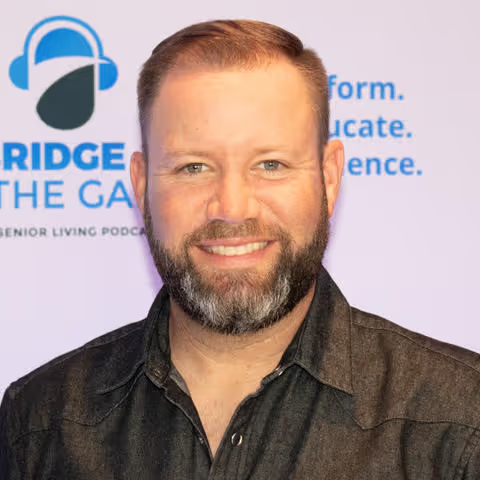
Lucas McCurdy is the founder of The Bridge Group Construction based in Dallas, Texas. Widely known as “The Senior Living Fan”.
Learn More ▶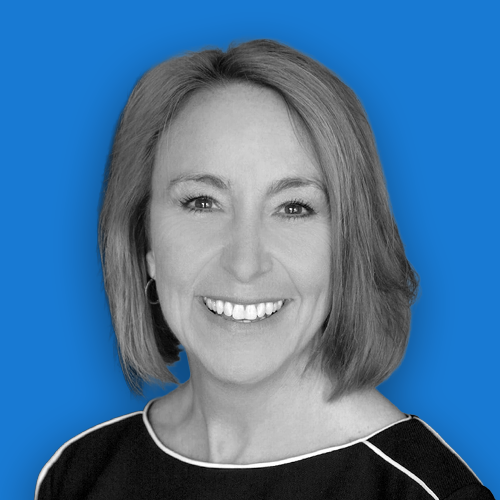
You can build a beautiful building, but if you don't hire the right people, it doesn't really matter.
After more than three decades in senior living, Tana Gall has witnessed nearly every evolution the industry has experienced. She reflects on what has remained constant throughout her 32-year career: the importance of creating communities where residents truly feel at home.
The discussion explores how senior living operators can prepare for today's growing demand by designing communities that balance consistency with local character. Tana explains why every community should have its own unique personality while maintaining a strong organizational culture. She also shares how thoughtful design, meaningful amenities, and exceptional team members combine to create memorable resident experiences.
Meet the Hosts:
Connect with Our Guest
Learn More About the Granger Cobb Institute for Business of Aging
Produced by Grit and Gravel Marketing.
Become a sponsor of Bridge the Gap.







00:55 - 03:12
Lucas McCurdy
Bridge the gap in three two. Welcome to Bridge the Gap podcast, the Senior Living podcast with Lucas and Cameron, my co-host today. My guest host today on an awesome day here in Nashville. The NHI Symposium and an incredible guess. I'm so excited for Tana Gall of Merrill Senior Living. Welcome to the show.
Tana Gall
Well thank you. I'm honored to be here. Thank you so much for asking.
Lucas McCurdy
Yes, yes, yes. So this is not your first day in senior housing?
Tana Gall
No, it's coming up on my 32nd year.
Lucas McCurdy
That's incredible. That's incredible. So 32 years ago, what got you into senior living?
Tana Gall
People. You know, I was working in an advertising agency, actually, and a gal that I worked with had left the agency to go sell outdoor advertising. And she went to leisure care, and they said, you know what? We're not going to buy any outdoor advertising, but we're looking for a PR communication sales person. Do you know of anybody? And I'm just so thankful she thought of me. And so she called me. And this was in 1994. So her landline called my landline and we set up an interview.
And honestly, I didn't have any experience with senior living at all. And so I met with the folks at Leisure Care, and they were just such great people, and I could get behind what they wanted to do. And I said, yeah, I'm going to give it a try. And honestly, I thought I'd give it a try for a few months, maybe a few years. And now on August 18th, it'll be my 32nd anniversary in the business.
Lucas McCurdy
That's amazing. That's really incredible. And what a what a history and a legacy and a track record. Now you're at the top, you're running the whole thing, and you've got all of this experience to help develop your culture and your people. Do you think it's the culture that kind of makes a difference at Merrill?
Tana Gall
I do think it's the culture. I think it's a culture in number one in our sector. I really, you know, when I show up here to meet with my friends from NHI and all the other operators, everyone has a very mission driven culture of we've got a business that we can do, but what we do matters. And I think I figured that out really early, and then that is what has kind of propelled me to want to do more and more and more.
03:12 - 07:39
Lucas McCurdy
So the industry you've gotten this, gotten to see many different cycles. We're in a totally different cycle now coming out of Covid. How so hard for everyone, I'm sure. And now we're in this kind of like supply and demand imbalance. What are your thoughts about this year and the years moving forward, where occupancy is going up? And kind of the number of units in demand is out of balance?
Tana Gall
It's an interesting conundrum we're in, because we are woefully behind the number of units that we will need. And I'm very excited. It does feel like shovels are getting in the ground a little bit more right now, but you know, I'm a little bit wary also because just because we build it doesn't mean they will come. And I'm excited about on one hand the demographics are great.
I'm excited that there's more people that want to get into it, more capital. But I'm also very wary because I'm very protective of what we've got as an industry and the next generation. The baby boomers that we talk about are going to be very demanding. So just because we build it doesn't mean they'll come. And so I'm at the point, even though I've been doing it for 32 years, I'm really trying to be active on what what does the next generation look like when we build today? I don't want to build for today's customer. I want to build for that ten year from now customer. And who is that, and what do they want and what do they look like? It's been kind of fun and challenging.
Lucas McCurdy
So who is that, and what do they look like and what do they want?
Tana Gall
Well, I think an interesting concept is the fact that we talk about baby boomers as one group, but there's really two segments in baby Boomers. There's the leading edge boomers that are turning 80 this year, and then it's a lot of people. But that younger boomer wants something very different than today's brewer that's turning 80. So for us it's it's just the dialog. It's the dialog with the families. It's the dialog with today's customer. What do they like? What are we doing. Well, and then you know, where I've really tried to spend a lot of my time is and maybe we'll talk about it, but is in workforce because we talk about the demand for number of units that we bring.
But I need people to think about who's going to work in those communities once they're open, because that demographic is smaller. And so I get a real kick out of I spend a lot of time teaching at Washington State University. I do a class there at least once a semester, and in talking to those 22 year olds, I'm really encouraging them to help me change a sector as we're moving forward.Where do they want to work? Where do their parents want to live or their grandparents at this point? And so it's it's sort of talking about who we've talked to before, but then how do we tap into some other segments that will make an impact on the industry down the road?
Cameron Bell
I'm so glad you brought that up, because at the spring, Nick, I noticed the higher number of college age students, some of them from Washington State, in that Granger Cobb Institute.
So I love that you teach those classes, because the question I was developing, my mind as you were speaking was like, how do you go about that? Like investigative research on trying to determine what is the future wants and needs of these prospective residents and families like. And my mind is like, maybe Tanya's at a coffee shop, and if you see someone, a stranger walk in, it's like, I don't know. So maybe unpack that for us. Like, how do you try to ascertain what people want in the future?
Tana Gall
I think there's two ways. The one way that you just uncovered is literally grassroots talk to the people. If you see somebody have that conversation with them. And then secondarily, it's the continuation of good old-fashioned focus groups that we used to do. You know, I guess maybe that's my agency days showing up. But, you know, we've got a new community that we're developing and Southern California, and we are really curious about what that next customer wants and needs. And it's going to be in the ground soon. And so we're doing those focus groups, you know, bringing people in, talking to them.
We're behind the wall watching and helping us develop not just what services we provide, but what does that building shape look like? What are those spaces going to be. And I look at that in two ways to of its the space that the customer, the prospect the resident will want. And then how do we get efficient in our building so that maybe I don't need as many people in my workforce because I've created the building that's sufficient for the workforce, but the grassroots stuff is really the most fun, right?
07:39 - 09:52
Tana Gall
Where you just, well, get a group together. It's not. It's just literally to have lunch or hang out. I know I'm working on a potential new community on a college campus, so I'm working with our alumni association and and just getting people together. It doesn't have to be formal. It can just be a time to visit.
Cameron Bell
Yeah. And like, you don't want it to necessarily be overly formal because you're not going to get the information out of them if they're kind of like, got the walls up. So and you got a great personality to to get that information out of them because you can just make it fun and you're just curious.
Tana Gall
Well, and what's funny is 32 years ago when I got into the business, I was a 27-year-old kid, kind of. And I had to kind of imagine what it would be like to be a daughter or a prospect.
Well, I'm living that life now. I am your prime customer as as a daughter. And so it does make it a little bit different. My empathy toward that customer is is real, and so that makes a huge difference.
Lucas McCurdy
Back to design a little bit. When you're looking at new campus campuses or even maybe
reimagining an existing legacy property that you own, what are you looking at as far as mix of amenities, common spaces, unit types? What are your thoughts on that?
Tana Gall
I hate to say, but like right now, I think gone are the days of the small studio apartments and even shared apartments. That's something, you know, like even in memory care, people don't necessarily want the shared apartment. So I think the design can be a smaller apartment, but it can't be a studio, people.
Those are my hardest ones to read today. And I think moving forward and so bigger apartments when possible. It's been interesting. I've seen some plans of recent with three bedroom apartments. I've seen those in the past, but I'm starting to see those more in the rental units. People want an office space and sometimes couples want two different rooms.
And so I think that's what you're seeing from the units. You know, I think still, when we can when we build a building, we're looking at primarily a lot of one bedrooms. That's a very popular unit. One bedrooms with dens are very popular. But again, the smaller apartments aren't as interesting to people anymore. On the comment space, I'm still a huge advocate for you.
09:52 - 13:04
Tana Gall
Come into a community and that's where your common areas are. That energy is more important than common space, so people want to be a part of something where they feel that energy. It's hard to articulate what that is exactly, but they just feel something when they walk in the door. So spaces that can be multifunctional, I think are really, really important. So you don't have to have, you know, a movie theater here and a lecture hall over here, and you get to have everything kind of in one space and create that feel that's just a little bit different.
Cameron Bell
And what you just mentioned, I think is, is very real, because every time I walk into community, you can kind of tell if the energy is off. You can also tell if like there's a lot of activity going on and you feel you feel it pulsating through you. And so if you think about like a prospective resident or family, they're going to feel that too. So like in those first couple of minutes, do they envision them or their loved one moving into this place? So having those, you know, highly utilized common areas, I think is critical to the success of the community.
Tana Gall
And I think not being too cookie cutter with what your design is, because I think every community should have its own local flavor as well. I think that's really important. So it's going to look different if you are in Portland, Oregon versus Fort Myers, Florida, and embracing that, but still having that same concept of its energy, it's fun. It's whatever you feel when you walk in the door. And that's a lot driven by the team members to that. You can build a beautiful building, but if you don't hire the right people, it doesn't really matter.
Cameron Bell
Have you found, as you're, you know, working with the college courses at Washington State, does that create excitement in you for the future workforce?
Tana Gall
I feel so much better about the future with. So if I go back so Granger and Jerry Meyer and Bill Pettit and I started that program at Washington State, I'm going to say 14 years ago about 13, 14, right? Yeah, yeah. And I would go to the classes and you would say to the students, how many of you have heard of senior living or had any experience?
And sometimes there would not be anybody to raise their hand. And so today when I go and I ask that same question, it's maybe not everybody, but it's over half. And what's neat about it is it's their grandparents lived in one or so many students, worked in one or volunteered in one when they were in high school. I actually hired a gal who was in our dining room in Burian, Merrill Gardens and Berrien, who ended up working in our HR department at the Home Office.
And her stories of just working in the community are are amazing, and it just makes her a different corporate employee because she's had that experience. So today, I feel so much more confident that that people are choosing it as a career versus me, who accidentally felt a lot of us here today. Yes, fell into it. And today they're actually making a decision that this is the career that I want.
And it's so fun for me to stand up there and say, and you're at 22 now when you're 40, can you imagine what this industry is going to look like? And I know I heard a lot of people on your podcast say, I want to stay in this because I've been in it for so long. I want to reap the benefits of the actual demographics coming down the pike.
13:04 - 16:23
Tana Gall
And those folks that are new getting into it, it's just going to be amazing for them.
Cameron Bell
I think the industry and people like Tana have done a good job of getting that story out there and creating that vision for these future workers of like, our business has so many different segments, like, all these different skill sets can contribute to this value proposition and this care that ultimately we're all after to give these families. So just appreciate all the work you've done for that.
Tana Gall
We talk about that that demographic being, you know, our aging population is great. The demographic that's coming to work for us actually cares about something that matters. They are more mission driven than any workforce we've had before. So to be able to tell them the stories that when you come to work here, you're going to go home at night and know I made a difference in somebody's life.
I feel like that in my job today, that there's rarely a day that goes by, that I don't feel like I did something for somebody out there that made a difference, and I don't know where else you'll get that in your job.
Lucas McCurdy
I imagine that's what's kept you for 32 years. That feeling, for sure. It's hard to duplicate that in other places. Okay, so Tana, a final thought really on the same thread. You know, these this demographic of a talent that the industry wants, they can go down to Chick-fil-A, down the street to Amazon or these other places. But senior housing offers so much more than just a chicken sandwich or brown cardboard box to deliver. How do you tell that story within your own organization to attract and keep talent?
Tana Gall
I really encourage people to just get to know each other and get to know the population. So when when they can see the difference, the difference they've made in a family members life, that they can go home and have peace of mind that they didn't have before. That makes a huge difference. To sit there with a resident and hear their stories and be able to learn from them.
And for most of those people, it's imagine a career path, because I never dreamed 32 years ago that I'd be sitting here with the two of you today. And I can tell that story to say, you're going to come in today and maybe you're going to be our business office director, or maybe you're going to be our active living program director.
But I'm looking for my replacement someday, and and you could be it. And I don't know if you can do that in Amazon, and I don't know if I love those organizations. I love Chick-Fil-A, I love Amazon, but to be able to show the career path that we can show is real. And I think we compete a little bit more even like on the hospitality world.
And so sometimes I'll tell people, go work in that luxurious resort wherever, but don't forget about us when the time comes, come back. And because we will be the career that will take you to a whole new level of your career.
Lucas McCurdy
That's a great word to end on. Great.
Cameron Bell
I like the confidence. Tana’s like, yeah, go try that and we'll see you when you come back.
Lucas McCurdy
That's right, that's right, that's right. Well so good. And Tana, thank you so much for your time today.
Tana Gall
My pleasure.
Lucas McCurdy
A fun, busy day today. Still to come here and well I know I'm excited again. Thanks for having me. I really appreciate it. Welcome. And to our listeners you can go to BTGvoice.com download this content, connect with Tana and her organization. And also we did a podcast on the Granger Cobb Institute. And our producers will put that in the show notes as well. So you can click that episode and learn more about it. Thanks for listening to another great episode of Bridge the Gap.


