
Want practical strategies for employee retention? Learn from real world examples on this episode of Contributor Wednesday
If we take care of our staff, they're going to take great care of our residents.
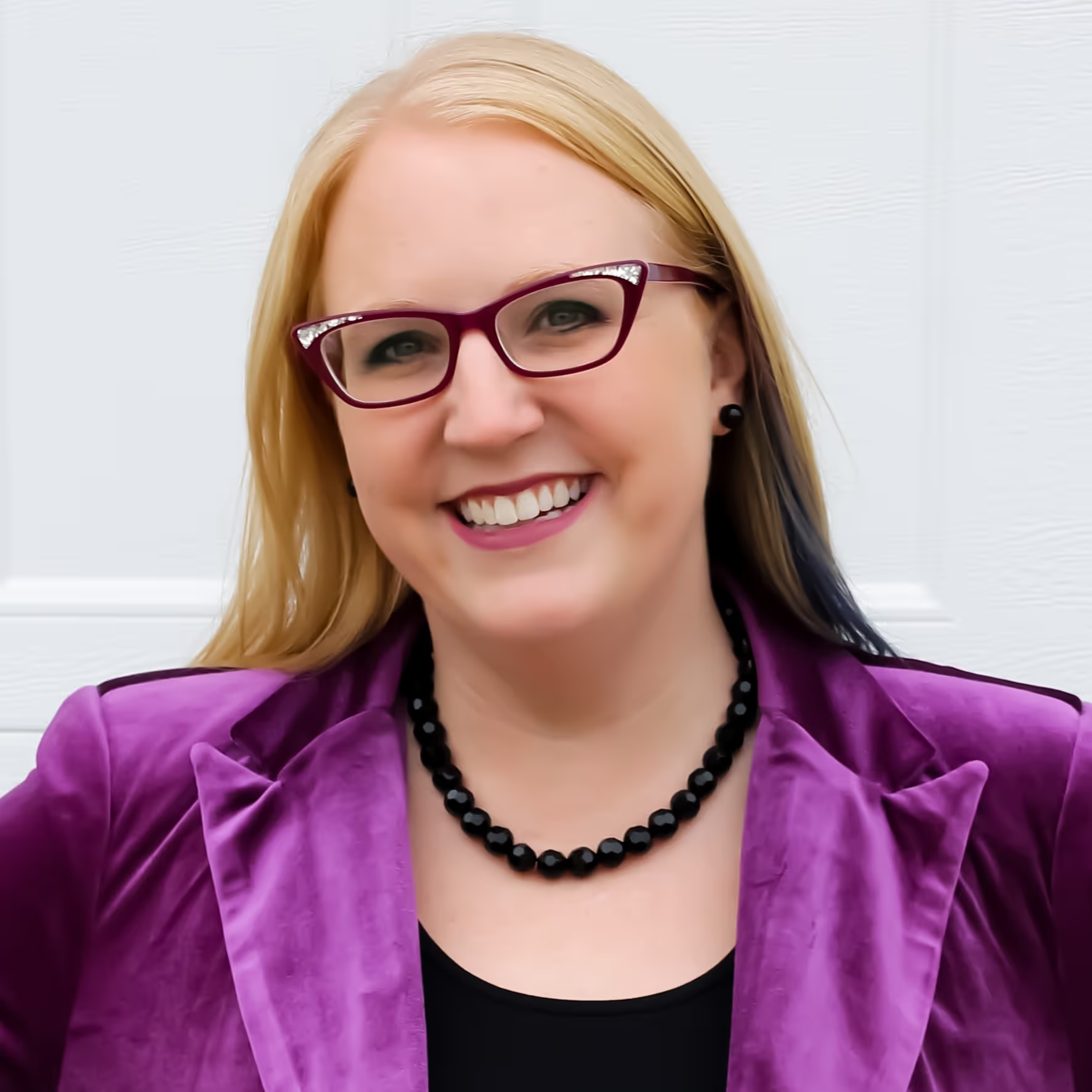
Workforce thought leader Cara Silletto, MBA, CSP, works with organizations to reduce unnecessary employee turnover by bridging generational gaps and making managers more effective in their roles.
Learn More ▶You can't just put retention on somebody's plate.
What does it take to reduce employee turnover and build a workplace where senior living professionals want to stay? In this episode of Contributor Wednesday, Cara Silletto highlights real-world examples of senior living organizations making employee retention a priority. Drawing on years of experience working with organizations across the country, Cara shares practical strategies implemented by successful providers. From leadership development academies and redesigned onboarding programs to employee champion task forces, internal staffing pools, and dedicated retention specialists, these organizations demonstrate that meaningful change is possible even when resources and time are limited.
Key Ideas:
Why senior living organizations must prioritize employee retention.
Building leadership pipelines through internal leadership academies.
Why involving department heads in leadership development matters.
Improving the new-hire experience through structured onboarding.
Creating leadership development programs based on tenure and role.
Making recruitment more effective through better job titles and candidate experiences.
Using stoplight metrics to provide support rather than punishment.
Creating employee champion task forces to improve workplace culture.
Reducing agency staffing through internal staffing pools.
Integrating behavioral assessments into leadership development.
Investing in retention through creative operational and financial strategies.
Using targeted recruitment channels to reach potential employees.
The measurable results of dedicated onboarding and retention specialists.
Why every organization should consider a dedicated retention position.
Meet Our Contributor
Learn more about the Employee Retention Ecosystem
employeeretentionecosystem.com
Watch More BTG
https://www.btgvoice.com/shows








00:09 - 05:48
Cara Silletto
Welcome to the Bridge the Gap podcast. I'm your contributor host Cara Silletto. We haven't met yet. I'm the president and chief retention officer at Magnet Culture, a firm dedicated to reducing unnecessary employee turnover. And I'm the creator of the employee retention ecosystem. Today is my last contributor episode this year. Now, I hope you've had a chance to go back and catch all of our conversations about generational dynamics, reassessing our values and priorities to be more attractive for today's workforce.
How to create better on ramp for new hires. We talked about communication and feedback for staff, the cost of turnover, and so, so much more. So today's episode, I thought I would take an opportunity to highlight what some amazing senior living organizations are doing to prioritize their culture and reduce employee turnover. So of course, all year I've been telling you about best practices and ideas and strategies and planting those seeds for you to make changes, but I understand that today most organizations are struggling to actually implement those things that we often teach.
I'm seeing that leaders are just underwater with too many fires to fight all day long, just going from one top priority to the next top priority, and not getting to really strategize or make real changes in the way they run their buildings. So with two few hours in the day, our industry continues to be asked to do more with less every single year.
I know how frustrating that must be, or I can imagine how frustrating that must be for you, as the regulations just pile up year after year. And of course, reimbursement doesn't always keep up with those demands as well. So you're put in a really, really tough situation. But I have found some rock stars. I have worked with so many companies across the country for 14 years on this, and many of them are making things happen in spite of that difficult hand.
They've been dealt with not enough hours in the day, too much work on their plate, but they have somehow made a change and really prioritized retention initiatives and making that different for their building. So I thought I would share some of those specific success stories today with you, and really highlight some of these rockstar clients and partners that we've had over the years as well.
So it's been an honor for me to even be a part of their journey. And having planted some seeds for a new approach, or sharing best practices from one organization to another and seeing that really blossom. So I want you to start with a group I've been working with for a few years up in Chicago Presbyterian Living. They took a very holistic approach to our relationship.
You know, some people just bring us into keynote at their annual meeting, or some groups just do the leadership training with us. But Presbyterian Living said, let's, let's do this more holistically. So years ago I came into keynote, and I just want to share with you kind of what they implemented and what they did over time. So of course, with a keynote, it's more about just exposing your leaders to a different mindset, a different way of thinking about today's new workforce and about their culture.
And so they not only had me speak, but just started using that language. They started talking about retention in in main meetings, you know, leadership meetings over and over and over and continuing to go back to the messages that they heard early on. Then they implemented leadership development programs for both the behavior change. Right. You can have mindset shift, but you really also need the behavior change for leaders to shift the way they communicate, to shift that relationship that they have with their folks.
So Pres Living did all kinds of training for years at various levels of leaders, and they wanted to see that behavior change. They also wanted to get skills in these folks. So they decided to invest in that skill building for them to be better communicators and be better leaders. Then they went and reworked parts of their org chart to add in some new HR functions and support for the community leaders.
Because the community leaders were finding themselves underwater, as most are. And so the Home Office said, all right, we've got to come in and help support them more. So they refused. I love this team. They refuse to do it the way it's always been done and said, how can we do better? How can we make sure that we are focused on the right things and putting the right resources in place for the team in particular, and that HR team that supports each of their three gigantic campuses?
05:48 - 10:36
Cara Silletto
Okay, so I just wanted to show that example as a more holistic approach, where an HR team really makes that the priority and does multiple things. And they've done a lot more than that too. They've revamped, you know, their approach to comp and benefits and, you know, all kinds of offerings that they have around wellness and really taking care of their employees.
So you can have that holistic approach. But a lot of us, of course, have to do one thing at a time and implement one initiative or one program. And so beyond phrase living, I wanted to share with you what a lot of other organizations have done. Some of them just, you know, one specific thing that has made a dent in their turnover and others, again, more holistic, but I want to share this list with you.
All right. So our friends over at Cantera in the Carolinas, they created an Inspire Leadership Academy to grow their leaders from within. So for several years they've been offering this program at several months long. And they rotate visiting each of their different campuses with those leaders. But they're identifying those high-potential folks and putting them into this program so that they have the next generation of leaders.
It's a succession plan for them. Now they teach some of the classes themselves, but they also bring in groups like us to teach very specific topics. So for years, we've been popping down to the Carolinas to teach their new leaders about retention and generational dynamics and things like that. But they also are covering even some, you know, legal expectations and HR expectations and company expectations, as well as some of those great soft skills that they're getting from either our training team or others as well.
All right, then, I got the chance to speak at the Arbor Company this year. And what I was really amazed by when I went to their company meeting, you know, most of the time when I go in to speak at a company meeting, it is almost exclusively the administrators and the directors of nursing. That's pretty much the level.
Some groups don't even bring their nursing leaders in. But for a lot of them, it's that top layer of the administrators and DONs. I was shocked to find out that our company brought in all of their leaders who were department heads. So they had, you know, maintenance folks and dietary culinary folks and HR folks and the wellness and activities folks, and they had all these different groups.
So in fact, they had me go from room to room to room teaching the generational dynamics to that whole group. And I could just feel it felt different. It felt, you know, the camaraderie, the collaboration, the fun, the recognition. They did a ton of recognition as I see a lot of those, you know, home offices, when they have their annual leadership gathering, they do a lot of recognition.
But this group, it was so much more depth behind it because it wasn't just the top two people at the building that were then coming back and kind of cascading all of their motivation and inspiration and energy from the conference. This was the whole team of department heads from multiple areas. You know, I think multiple states, even that all came in to learn from one another and, and build those relationships.
So very cool approach. Just something to think about: that investment really can make a difference if you take it deeper and wider with all of your leaders, instead of just the senior leaders at your buildings. Now, I've been working recently with Central Baptist Village up in Chicago, and they are doing a beautiful job of revamping all of their onboarding checklists.
So they've started with the clinical team to say, what do we need to do? You know, day one, week one month one quarter one as we teach of course. And then they also are looking at it of what is everyone in the organization need. And then what does that clinical department need. Everybody who's coming in for for a clinical role.
And then down to the specific roles, not just department level but down to what does an RN need versus a CNA, for example. So they're breaking that down. They started with clinical. Now they're moving on to the other departments as well. And just making such beautiful strides at consistency and up leveling that new hire experience, which we talked about on a whole episode a few months ago.
10:36 - 16:10
Cara Silletto
So go back and check that out if you want more details. But they not only have put in these onboarding checklists, they also created a new clinical operations manager position, which was brilliant because they knew that the clinical leaders are overloaded and underwater, as I've said 18 times, you know, and so they put this new position in to support the DON and the assistant DON, to take some of their administrative duties and operational duties kind of off their plate so that they could lead the clinical team and really be there for their staff as well, and not be so bogged down with the paperwork behind the scenes.
So kudos to them. Everybody here. Just amazing things that I'm seeing across the board now. Covenant living operates in various states, and so they have a really cool leadership development training program that we we had been a part of for years, and they separated folks. So here's something to think about. They separated folks kind of by tenure and role.
They had a formula where, you know, if you're in these roles, but you've been in those roles less than two years, you go into this program; if you've been there, you know, 2 to 5 years or five plus years, you go into this other program. So they built an emerge track, an elevate track and an empower track, and they were running all different topics and courses for those folks, again, to kind of grow their own and really invest in those skills, because so often, you know, the senior leaders, they go into the buildings and they realize like, wow, our staff are not speaking to people the way we want them to speak or they're
not showing the way, showing up the way we want them to show up. And so this is an opportunity for us to set those expectations and really grow our, our folks to meet the expectations and exceed them as well, to help them grow and see the potential that they have, that even some of our staff and leaders didn't see in themselves.
So who knows? The covenant is really making a very comprehensive, not difficult, but very comprehensive as far as coverage of making sure various levels of leaders get included in the training and development and get what they need when they need it. Right. That's the real secret sauce that I think they figured out is who needs what when. And let's offer those particular courses to those folks. So let's go down to Tennessee with my friends at Caris Healthcare, and they ran a full-day strategy summit with me to really get to the bottom of some issues with retention. And of course, we did the two-day retention retreat with their leaders as well. But in this one-day strategy summit, they brought up some issues.
You know, when you start to ask the harder questions, even though we've always done it that way, when you start to ask harder questions, then you have to face the reality that maybe we're not as sexy as we think we are. And one of those things was even some of the titles. Okay, now now Caris get me wrong.
Caris healthcare is very sexy. Yeah, they're a great organization. But one of the areas they wanted to improve from a recruiting perception standpoint was the titles of some of their positions. What do they call some of their positions, because they said they weren't attracting the right kind of people in. And so when I said, okay, well, what are these roles called?
And they were using some terms that maybe weren't common for the industry or, or maybe they were so industry specific that anybody from the hospital world or other health care entities would never have googled that term search. Right? So sometimes, you know, I even used to work at a manufacturing company, for example, and they called their salespeople field engineers.
And I just thought, well, that is in sales, whatever. Look for a job called a field engineer and think that that's a sales job, you know? So sometimes we get to creative with our titles and nobody knows how to search for them. And then other times we get to kind of boring and basic with our titles. And they're not attractive titles.
They sound boring and basic. No. Today's new workforce wants, you know, they want to constantly be up leveling their titles and their skills and their career and all of that. So really looking at some of the titles and making some shifts there. So that was a really fun conversation and great work on Kerry's part. They also really dove into this stoplight metrics approach, which many of you have the red, green and yellow or red, red, yellow and green stoplight approach for your metrics.
And you've got dashboards and they yell at you like, wait, wait, wait, this is red, this is red. But what I find is a lot of organizations, they just yell at the building. They just say, hey, you're in the red. You need to fix it. You got to get better, you know? Or maybe they'll change out the leadership because they say you're not cutting it.
16:10 - 22:51
Cara Silletto
So get out and we're going to put somebody else in new. Well, Caris they put a program in place where if anybody's metrics go read, there's a support team from the Home Office that comes in not to reprimand them. No, no, no, not not to just, you know, say, hey, you're not doing well enough, but instead to go in and support them to do some extra recruiting if they're understaffed, to go in and address any issues that they are having and to even pick point, like, where are the issues actually wrapped?
Because, you know, it may be that neater, but it may not. And so I love that they they put that in place as well, along with several other things that we talked about that day. But those were two that really stuck with me. Now, my friends of a heritage senior living up in Wisconsin, they created after our training programs, they created a champion task force program, and they wanted to put together different task forces, multiple task forces to address all different areas of retention.
00:17:23:16 - 00:17:48:19
Cara Silletto
You know, and maybe this is a group I don't recall. You know, maybe they didn't want to have a person, one person or one HR team that oversaw this, and instead they divvied it out to different groups and different staff at various levels across different disciplines to make sure that everyone's voices were heard. And those task forces, you know, they get together.
I've seen these recreated at other organizations as well. They get together, you know, once a month or once a quarter, whatever is appropriate, and they get to the bottom of, what are we doing now? What do we need to do differently? How do we get the results that we're looking for, and what does the workforce want from us?
Right. So some of the of the task force ideas that I've seen at Heritage and other groups as well, is an employee voice that actually researches and does the analytics on employee sentiment, looking very closely at the employee surveys and any chance they get for exit surveys or stay interviews or anything like that, really getting into understand the voice and mindset of the employee.
Another team is an on ramp revamp team that reviews, kind of analyzes the new hire experience and says, how could it be better? You know, that might be a project like some of my other clients, right? They're revamping their onboarding. It could be a project, but let's face it, needs to be maintained and revisited and continuously improved. So if you create an on ramp revamp team of champions, they can meet regularly to continue enhancing the new hire experience, which is really, really cool to stay ahead of it rather than have a stale experience after even a year or two of implementing something new.
Now it's not quite so new anymore. You know, some groups also have a people first policy team where they review the handbook and make sure that it is also attractive. You know, that it's it's, I guess, fair and firm and, you know, has all the legalese that it needs, but that it's also employee minded is really important to look at that perspective.
The heritage put a first impressions team together to say, we're going to review workplace professionalism and figure out how do we train those new hires coming in to make sure that they have a good first impression when when they go to work with our residents and family members and all that. A candidate experience team that reviews the recruiting processes.
So I talked about onboarding, but there's also an experience that the candidate has, and we don't want to lose any great candidates from the bad experience while they're interviewing with us. So you can put together a team to explore and improve that as well. Also, a tools and tech team looking at systems and equipment specifically around the staff.
What does the staff need as far as systems and equipment and of course AI. Now, today, how can we make their lives easier in any way with better systems and hardware or software, that type of thing. And then another champion team is an employee recognition team, and a lots of buildings have that as well of reviewing appreciation practices and possibly getting some kind of recognition platform in place or other tools and, and approaches that work at other buildings.
Right. Finding out what's working around retention, I'm sorry, around recognition and bringing that into the building as well. So yeah, those champion task force teams are just absolutely brilliant at getting things done with different people. If you put a task force together, then it's not a responsibility that lies all on the department heads all the time. You can have your staff at various levels, even getting CNAs involved and saying you all are the ones who are going to move this forward and that can can spread out that responsibility beautifully.
Right now, our friends at Otterbein over in Ohio, they I mean, you know, they are a poster child of putting retention front and center, for sure. But one of the unique things that I heard, they were one of the first that I heard who had done it, I don't know, you know, who was the first, but they built an internal staffing pool that helped avoid agency use.
So because their locations are close enough to one another, you know, they're spread out across Ohio, but they are clustered to some extent down that 75 corridor I-75. They can share people. So they built out this internal staffing pool and are able to pull from folks who already know the company, already know their terminology and their languages. You know, that they use because Otterbein has very unique titles for their folks, which is really cool and a little bit different setup with different neighborhoods as smaller buildings instead of large CCRC type campuses that that some groups have.
22:51 - 29:23
Cara Silletto
So, so it's really great for them to use folks internally for other buildings because they already know the setup and the structure for all of that. And of course, Otterbein has done a ton of training over the years as well, both internally and externally. So who knows to that team for sure now, National church residences not too far away from Otterbein.
They also got their key leaders certified in DISC behavioral assessments. So you know, the four quadrant type assessments, there are all different ones out there: Myers-Briggs, Predictive Index, True Colors. You know, there are a lot of those I personally love DISC. And that's what we're certified in here at Magnet Culture. But we got their leaders certified so that they could start using those DISC assessments a lot more for leadership development across the organization.
They didn't have to just have a DISC class, you know, one class and put certain number of people through it, and that's all that we touched. Instead, they actually brought DISC in-house and said, we're going to use this tool as we're elevating people into leadership positions, as we're making some selection decisions of who to promote things like that.
I've seen groups use DISC in that way, not let me let me put a little asterisk on that. Not that you should use a person's DISC profile to decide whether they deserve to be hired or a promotion, but it certainly helps to have more effective interviews and conversations about growth, career advancement, those types of things. Right. And so you can use the DISC profile to talk about strengths and weaknesses within the role of what's going to come easier to them, what might be a struggle, and how do we get around any of those challenges.
So I love that national church like really got, you know, folks certified so they could spread that disc net much, much wider across the organization rather than just having to hold classes, which is where a lot of people find value. But it kind of stops there and they don't integrate that disc language throughout the organization like National Church Residences has done.
So my friend Denise over at Shalom Park, she is very innovative and has never met a challenge that she is not going to solve. And so she just attacks everything full force. And I love that their organization does that. So years ago, you know, she and I were talking about different retention strategies. We've we've been in conversation for years.
And I was so excited to hear that one day, she said they were painting some of the space in their building. All right. Listen to this one. So they said, we're going to take some extra space in our building, remember exactly what it was, but it was things like, you know, unused closet space or break room space, just some activity space even, that just wasn't fully functioning in the way that that it could have or should have.
And they actually added more beds. They transformed some of these spaces that they had into more occupancy, higher bed count for their organization because she said, look, we have to fund these retention initiatives in some way. And they were creative and thought about all different ways to do that and said, we just have to bring in more money.
So they decided to add more beds in order to fund some of the retention initiatives that they really wanted to do and increase pay for the front line. So how cool is that, that they got creative enough to say, we're actually going to knock down a wall over here, you know, and do this differently in order to make these dollars make sense.
Because I know, you know, previous episode we talked about cost of turnover. And I know that it does cost money to put a lot of retention initiatives in place. And the hope is then that you're going to get that ROI back, right. So we have to prioritize and pick and choose which ones are going to move the needle.
But there are definitely ones that make sense. And also some retention initiatives. Come on now. They're just the the baseline. Like having leadership development now having opportunities for advancement recognition programs. You know, good pay and benefits like those things are just the baseline. We've got to get even more creative and invest even more to be more attractive for today's new workforce as well.
Now, I can't forget my friends over at Trilogy in Louisville and in the Midwest. They have been a recruiting and retention leader for, you know, for decades now. In fact, I knew the founder, Randy, from 20 plus years ago when I used to work at the Indiana Healthcare Association. He was our chairman of the board back then, and I have watched the trilogy journey.
I'm so blessed that I have been a part of some conversations. Right? I've known a lot of their leaders over the years that are in the leadership development and HR space, and I love how focused they are from day one when Randy started trilogy, how focused they have been on the employee experience, the culture, being a place where people want to work and that has paid off tremendously for them.
You know, they have amazing career ladders in place for for, you know, creative advancement for folks, especially those who don't have degrees or don't want to get another degree, they have a path for them.
They also have a recruiting approach, unlike what I've seen anywhere else. You know, Todd Minsky is brilliant, and he talks about recruiting more like sales goals. You know. And what I mean by that is it's not just, you know, how many warm bodies can we get in here, but are we getting the right people in here? And are they staying?
29:23 - 35:47
Cara Silletto
So let's figure out the metrics of of the people who stay. Where did we get them from? How did we train them? What was their experience like coming in? And so really thinking about thinking about also going to where your people are. I was just talking to Todd not too long ago, and he said that they placed ads in YouTube videos and gaming apps.
You know how many of us, me included, play games on our phone? And then the ads pop up? And of course, all of my ads are about, you know, clothing and services equipment and at different things that are targeted toward me. And so if we if we really want to attract folks, we have to think about, okay, well, what games are people playing?
What videos are they watching, where are they going? And how can we convince folks to come into senior living for a career? And how can we convince folks to apply at our organization was which is amazing, has a great mission. That was great work, is fulfilling, you know, has a career opportunity for them, all of those things. So really just kudos to trilogy of continuing to have amazing recruiting and retention efforts in place.
And and that focus, you know, that is that is first and foremost of course all of these groups don't get me wrong, quality care is king. Quality care leads all of these initiatives. But it goes back to if we take care of our staff, they're going to take great care of our residents, right? So that's what a lot of these companies have put in their culture, in their in their values, their mission, their vision of the organization is not just great quality care, but also a great quality culture for their people.
So, okay. Those are, you know, just a handful of folks. But I wanted to highlight one more specifically because some of you are saying, yeah, but Cara, what does move the needle? What is it? You know, what's the silver bullet? And I got to tell you, there's not really a silver bullet. The holistic, ongoing approach is where most of the folks I've seen that get retention results, that's where they're at.
But I want to tell you about my friends up at Emperor up in Minnesota. So Emperor is a quality improvement group that they got grant money. Okay. So they did get funding to test out a program and see if it would move the needle and figure out how to reduce turnover period. How do we do it? And so they launched three years ago.
3 or 4 years ago, they launched the ORS program, which is onboarding and retention specialist o r s right. ORS like ores that you paddle in a boat. Okay. So the ORS program, they got this grant funding to create an ORS position in about 15 buildings across Minnesota. Various organizations, they worked with multiple different entities and they put about 15 folks into these buildings.
They then gave them, you know, leadership training, and we partnered on all of that. They kind of followed some of our magnet framework and training and the mindset about generational dynamics and retention initiatives, things like that. But they brought in even more training. They built a mentoring process. They started to put metrics behind every component of what they were doing.
And what was interesting is it was supposed to be a three year project, you know, with a performance year at the end that they had to turn in their numbers back to the the group that funded the grant and show them, hey, here's what we did. But what was what was amazing is I don't quote me on exactly what it was, but I'm pretty sure within the first 12 to 18 months, they had already hit their three year metrics because they nailed it.
On putting a person in each building that was fixed on this that could help each of the leaders to be better retention champions as well. And so kudos to Heather Johnson and Kelly and up in Minnesota for running this program so beautifully. They just finished the three performance the third, third year, which was the performance year. And I talked to Heather recently.
Now listen to this. He said that they recorded improvements across all 15 buildings and the averages here. They said their CMS total nursing turnover improved by 27.6%. Okay. Now remember yes, it was a three year program. But most of that they they had already hit these numbers, you know, in the first year or so. And then they maintained them through that second and third year for their Minnesota cost reports.
The direct care staff retention improved by 47.8%. Their cost report agency pool usage. They had to measure how the decrease of that, you know, how much they were able to decrease their their agency pool, and they were able to do that by 67.5%. And also the CNA retention improved by 60.3%. All right. 60% retention improvement on just the CNA roll by itself okay.
They also you know, we all have these kind of resident focused quality of life initiatives and research and things. So some of you know about vital research, the resident directed quality of life surveys that are out there. And so with these they said that the relationship and caregiving domains improved by 5.1 and 8.7, respectively. So the relationship went up 5.1 and caregiving went up 8.7.
35:47 - 42:23
Cara Silletto
Now, I have to tell you, if you know these reports, you know that it is hard to move these reports by 11.0. It is hard to move that. And they were able to improve those resident directed quality of life metrics by a tremendous amount. Okay. So that is so exciting to see the real value. You know the ROI people have for years.
But asking me like, well, what are we going to get back? How quickly are we going to, you know, make back our money in cost of turnover reduction if we do this or this or this, and I can't point to just one item, it's almost impossible to isolate results now post-pandemic, because we need to be working on 18 different things related to retention as far as leadership development and our technology and our compensation and relationships.
Feedback, communication. I mean, there's all these different areas, so it isn't going to be just one area. But when we holistically address this and prioritize it, it absolutely makes a huge, huge difference. All right. In fact, I had the pleasure of sending a friend of mine from Texas out to one of our client organizations, and he is a leadership development expert as well.
He's a peer of mine, but he's getting his PhD. And he called me and said, hey, Cara, I can't do a research project on my own clients. So can I go into your clients and see if leadership development really works? I'm going to go in. I know it's kind of risky, but I'm going to go in and I'm going to see if leadership development and training programs actually move the needle and actually see results as well.
So he called me just a couple weeks ago on his way home from that client organization, and he said, well, Cara, good news. What you do works. Which was like, okay, thank goodness that was that was the answer. Because what he showed me now he's still working on his his research dissertation and all the reporting and everything. So I don't have the exact percentages for you today.
Maybe you can you call me in a month and I should have those. But what was really cool is he found that leadership development in, you know, in even in our organizations, right, in senior care leadership development not only not only improves retention, but it also he was able to try it to customer satisfaction. So resident satisfaction for us as well as improved occupancy because of that resident satisfaction.
So he went into a building and did very legit, you know, full full fledged focus groups, interviews, surveys, did all the PhD level research that is necessary for a dissertation. And he found that the staff. Okay, a lot of the folks that he was interviewing and doing in focus groups, they were not the ones in the leadership classes.
Their bosses had taken the leadership classes. Okay. Does that make sense that if he went in and interviewed the staff and said, is your boss better today, better at communicating with you, making you feel valued here, you know, recognizing you appropriately? All those things? Is your boss a better boss because they went through this training program, you know, kind of measuring before and after.
And the staff said, yes, absolutely. And they gave very specific examples of what was better, how they felt differently working for that organization after the leadership development program. And then they were able to tie that back to the customer satisfaction and even increased occupancy by happy residents recommending their friends and telling them, oh, you'll love the staff here, you'll love the culture here.
And a lot of that was he attributed it to some years worth of leadership development that they had been working on over time. That made it a better place to work. Y'all. Okay, so that is the goal. That is what we have been striving for for 14 years. And there are best practices in the industry. You do not have to recreate the wheel.
Okay, so if I could make one suggestion and some of you might say, I wish you would have told me this at the beginning to to skip to this minute in the podcast. But I will say, if I could make one suggestion of how to move the needle. It's not cheap, but it will absolutely make a huge difference in your organization, and that is to put a person in charge of retention.
And a lot of times that means creating a new role. You can't just put retention on somebody's plate and you probably already think, oh, well, our HRT or HR director or our employee engagement manager or something like that, but but honestly, if we look at all the retention initiatives that we've just talked about today and that are in our ecosystem model that need attention, people cannot part time do that.
It's got to be a role, a position that really focuses on it, prioritizes it, and drives those conversations and actions behind it. Okay. So we need to put that role in place. And I've seen it in a lot of different ways. We actually created a sample job description I was teaching a class a few years ago, and the owner said to me, well, what would that person do all day?
And they didn't see the value or the understand the value of that role. And when I started to list out all the things that that person could help the leaders with as far as checking in with employees and stay interviews and better exit interviews and improving the onboarding experience and and and right, all these types of things, we decided to put together that job description.
42:23 - 48:09
Cara Silletto
So if you go to magnetvault.com like a bank vault. Right. So magnet vault you can download our retention specialist or retention strategist role. And some organizations have put that role on their HR team specifically. Some organizations have made it more of a regional role of saying, we're going to have a regional retention director that helps multiple sites.
For example, some have made it much more specific. I think even, you know, one of my groups that I mentioned earlier who created that clinical operations role, that person is also taking on some of the retention responsibilities as well. So there's lots of ways to do this. But if you want to look at that sample job description, I'm telling you the orders program proved it that when you have an individual who is dedicated to retention, that can move the needle because they're able to do a lot more with their capacity.
And then, you know, having task forces is great. And and having partnerships and collaborations is great, but having that person continue to drive it instead of getting underwater with other priorities. That is a critical, critical piece of this puzzle. All right. So if you are truly ready to make retention a priority, this type of position is, I feel like a must have.
And that way it's not driving other great leaders away. When you, as a senior leader, come in and say, we're going to focus on retention and I want everybody to focus on retention, because then your department heads roll their eyes and say, with what our in the day, with what our in the day. Am I supposed to do more when when I'm already at my limit.
Right. It's just not sustainable, friends. And also can I put in a little plug here for conferences because, you know, there are tons of great conferences around the country. Of course, we have the American Health Care Association and all of its state conferences leading age, and it's state conferences are generally in the assisted living side. You know, we've got all these different groups plus other great conferences that are out there as well.
And I just want to ask you if you are doing something awesome or or something that works okay. If you do something new and it works, please apply to the conference, apply to speak at the conference. Usually they put out in every state and nationally a call for presenters application to say, hey, come share your best practice. And what is it that we always say a rising tide raises all boats.
And so I want you to share that. I want you to go tell the world what you're doing, because our entire industry needs it. And and we could use all the help we can get from one building to another, from one organization to another. Don't keep those secrets to yourself, please. Because it's a tough profession for us to attract enough people into that we need to keep the people that we have, and we could learn from one another on the best ways to do that, so that it raises up the entire profession and that we're not as short staffed as, as we have been or are today.
Alright. So please share that. And then of course, go to the conferences, go listen to those best practices and be a part of be a part of that. So I know that Josh and Lucas here from the Bridge the Gap podcast, I wanted to thank them so much for having me back this year, and it's been a real pleasure coming back to give some updated insights on retention strategies for that.
And they are at every conference. These guys are all around the country all the time. So whenever you see Josh and Lucas out at those conferences, stop and say hi. Ask them if you can do a podcast and be on Bridge the Gap as a best practice and a brilliant person sharing your advice for other senior living leaders as well.
So thank you so much to everyone who has listened to the podcast this year, and also to all of our clients. You know, I only mentioned a handful of our clients across the country in this episode, but we've been partnering, like I said, for 14 years, to help plant the seeds of change and help these organizations move the needle for those organizations that are willing and able to lend to their house plants, you know, to their staff, and take care of of all of those entities, and then to ultimately harvest those seeds of change over time and to see their staff and their leaders blossom and grow over time.
So really, really excited to be a part of this. And I just want to say that our entire team at Magnet Culture, of our speakers and trainers and our staff, we are incredibly proud of the work that we've done these last 14 years. So thanks so much for listening. If we aren't already connected on LinkedIn, please reach out and then don't forget. Also to subscribe to our YouTube page at youtube.com/magnetculture. I'm Cara Silletto and thanks for listening to this year's Bridge the Gap Contributor Wednesday series. Don't forget to go water your plants.


